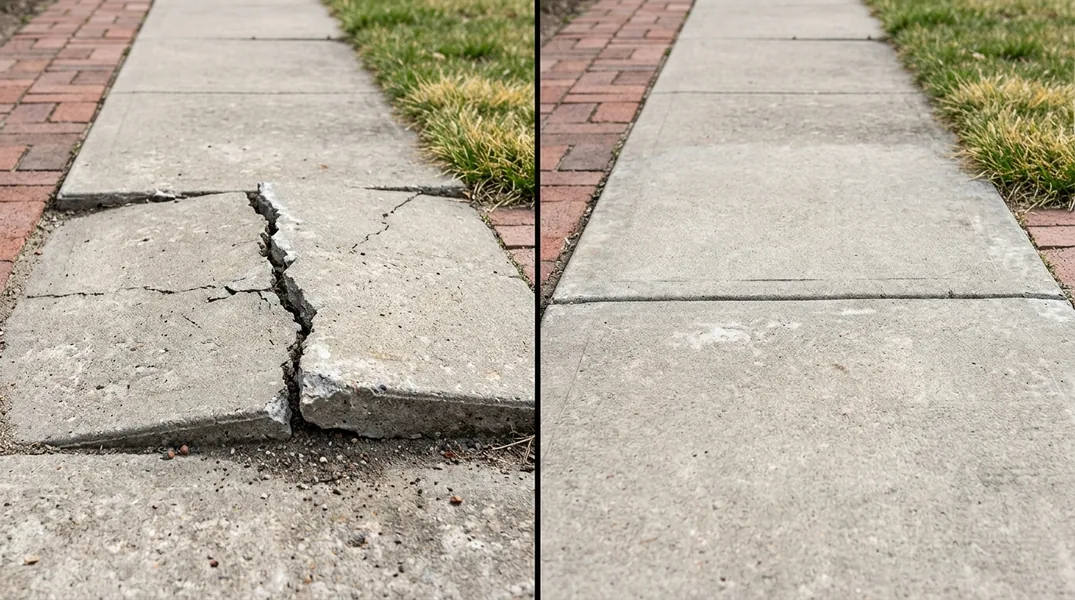
Understanding Lincoln's Unique Concrete Challenge
If you own a home in Lincoln, you've probably noticed that concrete doesn't age the same way it does in other parts of the country. Your driveway might develop cracks after just a few winters, or your patio could heave and settle unevenly. This isn't a sign of poor installation, nor is it a reflection on the quality of your concrete contractor. Instead, it's a direct result of the challenging environmental conditions that Lincoln experiences year-round.
Nebraska's climate and soil composition create a perfect storm for concrete damage. The state experiences dramatic temperature swings, with winters that plunge well below freezing and summers that can reach uncomfortable heat. Beneath the surface, the soil is predominantly clay, which has entirely different properties than sandy or rocky soil found in other regions. Together, these two factors, freeze-thaw concrete damage and clay expansion, are responsible for the majority of concrete problems homeowners face in this region. Understanding these forces is the first step toward protecting your investment and avoiding costly Concrete Repair & Resurfacing down the road.
The Freeze-Thaw Cycle: Your Concrete's Worst Enemy
The freeze-thaw cycle is one of the most destructive natural processes that concrete must endure. Here's how it works: when water seeps into tiny pores and cracks in your concrete, it expands as temperatures drop and the water freezes. This expansion creates pressure inside the concrete, forcing the material outward. When temperatures rise, the ice melts and the pressure releases. Over dozens of freeze-thaw cycles each winter, this repeated stress weakens the concrete from the inside out, eventually leading to visible cracking, spalling (where the surface flakes off), and structural failure.
Lincoln experiences this cycle relentlessly from November through March, and sometimes into April. The region averages 30 to 40 days per year where temperatures fluctuate above and below freezing, making it an ideal environment for freeze-thaw damage. A single winter can cause significant deterioration if your concrete isn't properly sealed and maintained. This is why freeze-thaw concrete damage Lincoln homeowners experience is so common and why preventative measures are essential for extending the life of your driveway, patio, or other concrete surfaces.
Clay Soil and Shrink-Swell: The Hidden Culprit
While the freeze-thaw cycle works on your concrete from above, the soil beneath it is causing just as much trouble from below. Most of Lincoln's subsoil is composed of clay, a material with unique properties that make it problematic for concrete foundations. Unlike sandy or silty soils that remain relatively stable, clay expands significantly when it absorbs moisture and shrinks when it dries out. This shrink-swell clay concrete cracking cycle puts constant upward and downward pressure on your concrete slab.
During wet springs and after heavy rains, clay soil absorbs water and expands, pushing your concrete upward. During dry summers and falls, the clay shrinks, creating voids beneath the slab. This repeated movement, sometimes called differential settlement, causes concrete to crack, settle unevenly, and develop the characteristic step patterns you might see in older driveways around town. The problem is compounded because concrete is rigid and cannot accommodate these movements gracefully. Over time, the cumulative stress leads to the cracks and damage you see on the surface. Understanding that Nebraska soil concrete challenges are rooted in geology, not construction quality, helps homeowners make informed decisions about repair and prevention strategies.
How These Forces Work Together to Damage Your Concrete
The real damage in Lincoln happens when freeze-thaw and clay expansion work in combination. Imagine this scenario: your concrete develops a small crack during a summer drought when clay shrinks. Water from spring snowmelt or a heavy rain seeps into that crack and becomes trapped in the soil below. When winter arrives and temperatures drop, that water freezes and expands, widening the crack further. The clay beneath simultaneously expands from the moisture, pushing upward. By spring, your crack has grown significantly, and the damage is no longer superficial.
This cyclical pattern repeats year after year, each season making the damage worse. A hairline crack becomes a quarter-inch gap. A small area of spalling becomes a large section that needs attention. What started as a minor maintenance issue becomes a structural concern requiring professional Concrete Repair & Resurfacing. This is why homeowners in Nebraska experience more concrete problems than those in regions with stable climates and different soil types. The forces are simply more powerful and more relentless.
Protecting Your Concrete: Prevention and Maintenance Strategies
The good news is that understanding these challenges allows you to take proactive steps to protect your concrete. The most important preventative measure is sealing your concrete every two to three years. A quality concrete sealer creates a barrier that prevents water from penetrating the surface and reaching the clay soil below. By keeping water out, you reduce both freeze-thaw damage and the clay's ability to expand when wet. Additionally, proper drainage around your driveway and patio is critical. Water should flow away from your concrete, not pool around it or drain directly beneath it.
For Concrete Driveways and other installations in areas prone to clay expansion, professional contractors often recommend using a gravel base layer and proper compaction techniques to minimize differential settlement. Some homeowners also benefit from installing a moisture barrier beneath new concrete to reduce water absorption into the soil. Regular inspection is equally important, catching small cracks early before they become major problems. If you notice new cracking or settling, addressing it promptly prevents water infiltration and reduces the likelihood of expensive damage later.
When to Call a Professional: Concrete Repair Near Me
Not all concrete damage is the same, and not all damage requires professional intervention. Small surface cracks less than a quarter-inch wide and hairline spalling can sometimes be monitored and sealed to prevent progression. However, larger cracks, step patterns indicating differential settlement, or extensive spalling are signs that you need professional evaluation. A contractor experienced with Nebraska soil concrete challenges can assess whether your damage is cosmetic or structural and recommend the best course of action.
Lincoln Concrete specializes in diagnosing and repairing concrete damage caused by the specific environmental conditions homeowners face in this region. Whether your Concrete Driveways show signs of freeze-thaw damage, your patio is settling unevenly, or you're concerned about protecting new concrete you're planning to install, our team can provide expert guidance. We understand how Nebraska soil concrete issues develop and what solutions work best for long-term durability. If you're noticing damage or want to discuss preventative measures, contact Lincoln Concrete at (531) 530-3730 or request a free estimate to discuss your specific situation. Our professionals can walk you through your options and help you make the best decision for your property.
Looking for a professional concrete contractor in Lincoln? Lincoln Concrete responds fast for all your concrete needs.
Get a Free QuoteOur services: Concrete Driveways · Concrete Patios · Stamped & Decorative Concrete