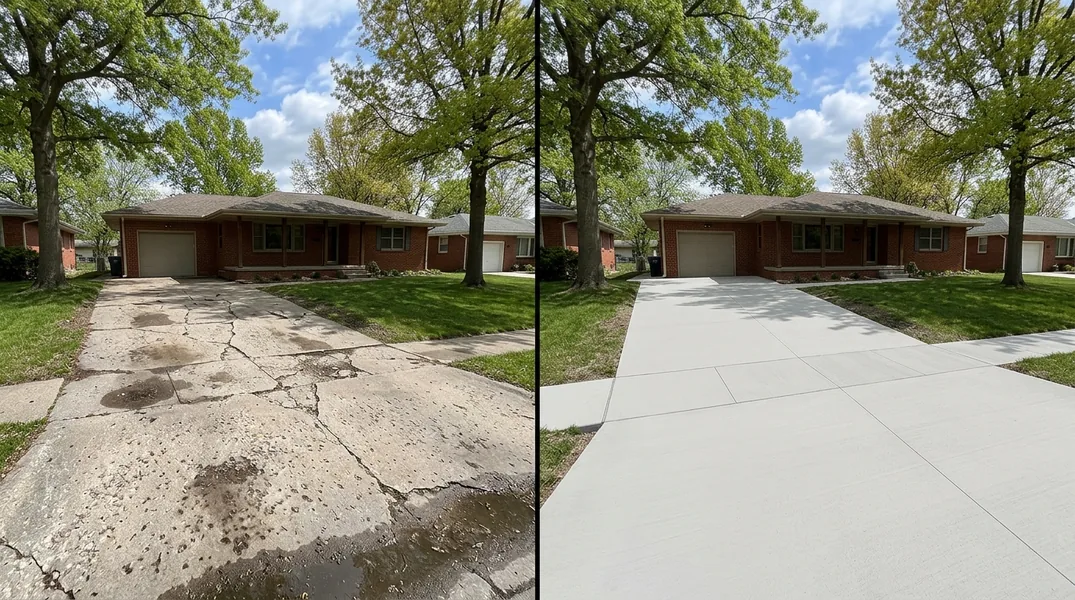
Why Timing Matters When Pouring Concrete in Nebraska
If you're planning a Concrete Driveways project in Lincoln, you might think concrete is concrete regardless of when you pour it. The reality is far more nuanced. Temperature, humidity, and weather conditions play critical roles in how your concrete cures, sets, and ultimately performs over the years. Pouring concrete at the wrong time of year can lead to premature cracking, weakened structural integrity, and costly repairs down the road.
Nebraska's climate presents unique challenges for concrete contractors. The state experiences dramatic seasonal swings, from scorching summers to brutally cold winters. These temperature extremes directly impact the chemical curing process that transforms wet concrete into a durable surface. Understanding when to pour concrete Nebraska residents should know helps ensure your investment lasts decades rather than years. A professional lincoln concrete contractor will assess your specific project timeline and recommend the ideal window for pouring.
Spring: The Prime Season for Concrete Projects
Spring, typically from mid-April through May, represents the gold standard for concrete pouring in Lincoln. During this period, daytime temperatures hover in the comfortable 60 to 75-degree Fahrenheit range, creating ideal curing conditions. The soil has thawed from winter, ground preparation is easier, and the risk of unexpected frost is minimal by late spring. Homeowners and contractors alike prefer this window because it allows concrete to cure at a steady, predictable pace without the stress of extreme heat or cold.
The spring concrete pouring season lincoln also coincides with increased daylight hours, which gives crews more working time each day. This means fewer days needed to complete your Concrete Patios, driveway, or other projects. Spring moisture levels are generally moderate, reducing the risk of rapid evaporation that can cause surface cracks. If you're considering a new driveway or patio renovation, spring is when you should contact Lincoln Concrete at (531) 530-3730 to schedule your free estimate.
Summer Pouring: Challenges and Considerations
Summer in Nebraska brings intense heat, with temperatures regularly exceeding 85 degrees Fahrenheit and sometimes climbing into the 90s. While many homeowners assume summer is perfect for concrete work, the reality is more complicated. Excessive heat accelerates the curing process, which sounds beneficial but actually creates problems. Rapid curing can trap moisture beneath the surface, leading to scaling, spalling, and internal stress fractures that weaken the concrete over time. Additionally, the extreme temperature difference between the surface and interior of the concrete can cause uneven curing and visible cracking.
Summer also brings lower humidity levels, which increases evaporation rates. When concrete loses water too quickly during the curing phase, the surface hardens faster than the interior, creating stress that manifests as cracks. High heat can also affect the concrete mix itself, reducing its workability and making it harder for contractors to achieve proper finishing. If you must pour concrete during summer months, specialized techniques like shading the area, using cooler water in the mix, and applying curing compounds become necessary. These extra precautions increase project pricing, making spring and fall more economical choices for most homeowners.
Fall: A Secondary Window for Concrete Success
September and early October offer a second-best opportunity for concrete pouring in Nebraska. Temperatures begin to moderate, typically ranging from 60 to 75 degrees Fahrenheit, similar to spring conditions. The reduction in humidity compared to summer, combined with cooler nights, actually promotes more uniform curing. Fall projects benefit from the same steady temperature progression that makes spring ideal, though homeowners must work within a narrower window before winter arrives. The key is starting your project early enough that concrete has sufficient time to cure before the first hard freeze.
For Concrete Repair & Resurfacing work or smaller projects like patios, fall can be an excellent choice. The reduced evaporation rates mean less risk of surface cracks, and the cooler temperatures reduce the stress on the concrete as it sets. However, you'll want to avoid pouring concrete in late October or November, as the risk of unexpected cold snaps increases dramatically. If you're considering a fall concrete project, reach out to Lincoln Concrete to ensure your timeline aligns with optimal curing conditions before winter weather arrives.
Winter and Cold Weather Concrete Curing in Lincoln
Winter is the most challenging season for concrete work in Nebraska. Freezing temperatures dramatically slow the hydration process that allows concrete to gain strength. When temperatures drop below 50 degrees Fahrenheit, concrete curing essentially stalls. More critically, if concrete freezes before it reaches sufficient strength (typically 28 days of proper curing), ice crystals form within the material, causing permanent structural damage. This is why cold weather concrete curing requires specialized techniques and additional pricing to protect your investment.
Professional contractors can pour concrete in winter using heated enclosures, specialized concrete mixes with accelerators, and insulating blankets. However, these methods are expensive and complex. The concrete must be protected from freezing temperatures for an extended period, sometimes requiring heated tents or temporary structures. For most homeowners, pouring concrete between December and March simply isn't practical or cost-effective. If you absolutely must complete a concrete project during winter months, Lincoln Concrete can discuss specialized cold-weather techniques, but you'll want to get a detailed free estimate to understand the additional costs involved.
Planning Your Concrete Project: When to Call a Professional
The best time to pour concrete in Lincoln depends on your specific project type, budget, and timeline. For most residential applications like driveways, patios, and decorative work, spring remains the optimal season. However, understanding the characteristics of each season helps you make an informed decision that aligns with your needs. If you're planning a major project, consider starting conversations with contractors in late winter so that work can begin as soon as spring weather arrives. This advance planning prevents delays and ensures you're not competing with other homeowners for contractor availability during peak season.
Don't leave your concrete project timing to chance. Contact Lincoln Concrete today at (531) 530-3730 to discuss your specific needs and get professional guidance on the ideal pouring window for your project. Our experienced team understands Nebraska's unique climate challenges and can recommend timing that maximizes durability and minimizes costs. Whether you're interested in Stamped & Decorative Concrete, standard driveways, or repairs, we're here to help you make the right decision. Call us or visit our website to request your free estimate and start planning your concrete project today.
Looking for a professional concrete contractor in Lincoln? Lincoln Concrete responds fast for all your concrete needs.
Get a Free QuoteOur services: Concrete Driveways · Concrete Patios · Stamped & Decorative Concrete